How to Remove Chewing Gum From Commercial Footpaths
Chewing gum is one of the most stubborn and unsightly forms of litter on commercial footpaths. Outside shopping centres, cafés, pubs, offices and bus stops across Rockhampton, discarded gum quickly flattens into dark, sticky spots that trap dirt and make an otherwise clean frontage look neglected. Knowing why gum is so hard to remove, and which methods actually work, helps business owners, property managers and body corporates choose the right approach and avoid damaging the surface underneath.
Why Chewing Gum Is So Hard to Remove
Modern chewing gum is made from a synthetic gum base, often a polymer similar to rubber or plastic. It does not dissolve in water and does not break down naturally. When it lands on a footpath, foot traffic presses it into the surface, where it bonds with the tiny pores in concrete, pavers, tiles or stone.
Rockhampton's climate makes the problem worse. Warm temperatures through much of the year, particularly in summer, soften gum and allow it to push deeper into textured surfaces. Once it cools and hardens again, it grips firmly. Add dust, tyre marks and the occasional heavy downpour, and gum spots turn black and become even more noticeable.
Common Commercial Footpath Surfaces in Rockhampton
The right removal method depends heavily on what the footpath is made from. Typical surfaces in commercial areas include:
- Broom-finished or exposed aggregate concrete: Durable, but the textured finish gives gum plenty of places to lodge.
- Clay and concrete pavers: Common in shopping precincts and the CBD. Joints between pavers can trap residue.
- Natural stone and sandstone: Porous and prone to staining, so harsh methods can cause permanent damage.
- Ceramic and porcelain tiles: Smooth and easier to clean, but can be slippery when wet and may be damaged by aggressive tools.
- Asphalt: Solvents can soften or discolour the surface, so it needs careful handling.
Methods for Removing Chewing Gum
Manual Scraping
For a handful of fresh spots, a sturdy scraper or putty knife can lift gum from smooth, hard surfaces. This is slow and labour intensive, and it often leaves a stain or sticky film behind. It also risks scratching tiles and softer stone, so it is best kept for small, isolated problems.
Freezing Agents
Freezing sprays chill the gum until it becomes brittle, allowing it to be chipped away more cleanly. This can work well for fresh gum on smooth surfaces, but it is less effective on textured concrete, where the gum has worked into the surface and tends to leave residue.
Solvent-Based Removers
Commercial gum-dissolving products soften the gum base so it can be wiped or scraped away. These products need to be matched to the surface, as some can discolour sealed pavers, damage sealants or stain porous stone. Always check the manufacturer's safety data sheet, follow the instructions, and test a small, inconspicuous area first. Runoff should never be allowed to enter stormwater drains.
High-Temperature Steam and Hot Water Pressure Cleaning
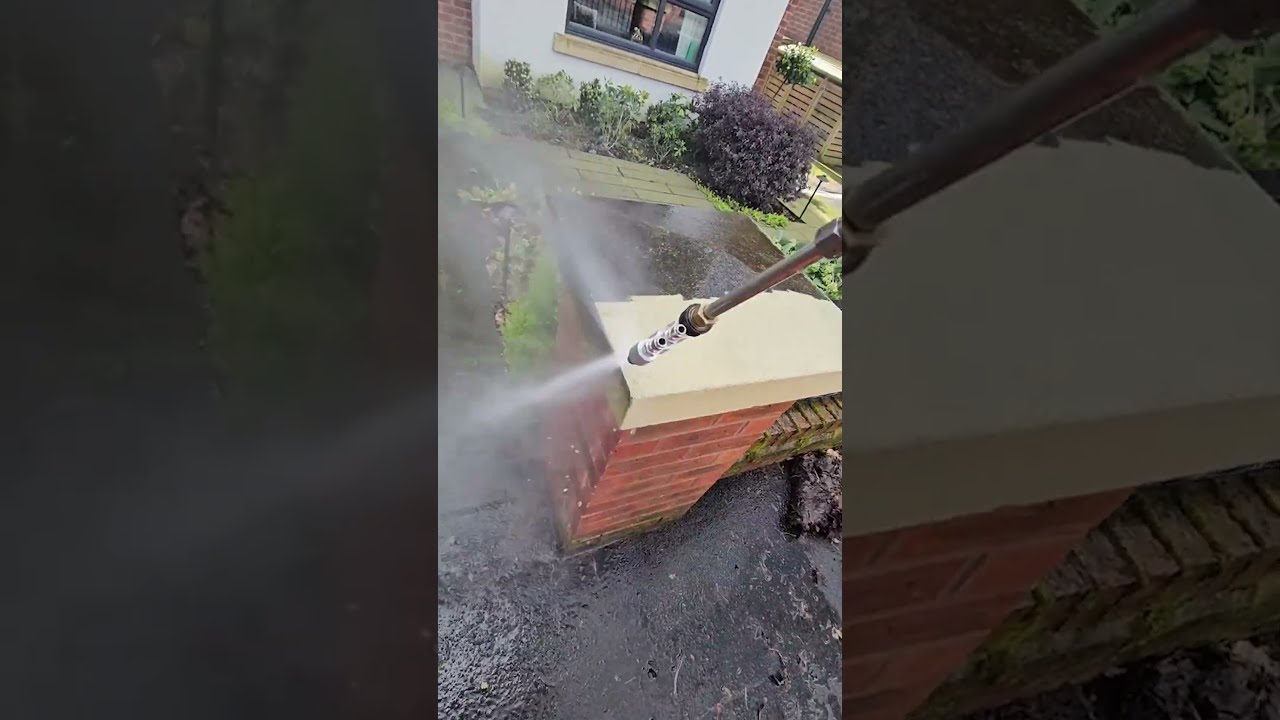
For large areas, heat is the most effective approach. Commercial-grade equipment that delivers https://jaredumnk818.quillnesty.com/posts/rockhampton-school-grounds-planning-safe-exterior-cleaning very hot water or steam under pressure softens the gum and lifts it from the surface in one pass. Because it relies on heat rather than harsh chemicals, it is generally better suited to busy commercial settings and can remove embedded gum that cold-water pressure washing cannot shift.
Cold-water pressure washing on its own often fails to remove gum and can even spread the residue. Used at too high a pressure, it can also etch concrete, erode paver joints and strip sealant.
Specialised Gum Removal Machines
Professional contractors often use purpose-built gum removal machines that combine steam and vacuum recovery. These units heat the gum, lift it, and capture the waste water and debris at the same time. This keeps the area cleaner and helps businesses meet their environmental obligations by preventing residue from washing into drains.
Do It Yourself or Hire a Professional?
For a few small spots outside a single shopfront, a DIY approach may be enough. For anything larger, professional removal is usually more practical and cost-effective. Consider hiring a specialist when:
- Gum covers a large area, such as an entire entrance, arcade or outdoor dining zone.
- The surface is natural stone, decorative pavers or another material that can be easily damaged.
- The footpath has been sealed and you want to protect the coating.
- You need the work completed quickly with minimal disruption to customers.
- You need to manage wastewater and runoff responsibly.
Professional crews have the equipment to treat hundreds of gum spots in a fraction of the time manual methods take, and they can combine gum removal with general footpath cleaning for a more consistent finish.
Safety and Compliance Considerations
Commercial properties have a duty of care to keep footpaths safe for customers, staff and passers-by. Sticky residue, wet surfaces and cleaning chemicals can all create slip hazards if not managed properly. When arranging gum removal, keep the following in mind:
- Use signage and barriers to keep pedestrians away from wet or treated areas.
- Schedule work for quieter periods, such as early mornings or after closing.
- Check that any contractor holds appropriate public liability insurance.
- Make sure wastewater is contained and collected rather than discharged to the stormwater system, in line with local council and Queensland environmental requirements.
- If the footpath is on council land, confirm whether permission is needed before any cleaning work goes ahead.
Preventing Gum Build-Up
Removing gum is only half the job. A few simple measures can slow its return:
- Place bins in convenient spots near entrances, queues and outdoor seating areas.
- Keep bins emptied and clean so they remain inviting to use.
- Display polite signage encouraging customers to bin their gum.
- Sweep or clean high-traffic areas regularly so new gum can be dealt with before it embeds.
- Consider sealing suitable surfaces, as a quality sealer can make gum and stains easier to remove in future.
How Often Should Commercial Footpaths Be Cleaned?
Frequency depends on foot traffic. A busy shopping centre or hospitality precinct may benefit from gum removal and pressure cleaning every few months, while a quieter office frontage might only need an annual clean. Many Rockhampton businesses build footpath cleaning into a regular maintenance schedule, which keeps gum from accumulating and helps preserve the surface over the long term. Regular cleaning also supports a better first impression for customers and can reduce the cost of heavier restoration work down the track.
Choosing a Gum Removal Service in Rockhampton
When comparing providers, look for a company that uses commercial-grade hot water or steam equipment, understands different paving materials, and can explain how it manages wastewater. Ask for a written quote that specifies the area covered, the method used and whether sealing or follow-up cleaning is included. A local provider will also be familiar with Rockhampton's conditions and can respond quickly when you need work done around trading hours.
Final Thoughts
Chewing gum on commercial footpaths is a persistent problem, but it is a manageable one. Small patches can sometimes be tackled with scraping or freezing, while larger or more deeply embedded areas call for heat-based professional equipment. By matching the method to the surface, putting prevention measures in place and scheduling regular maintenance, Rockhampton businesses can keep their entrances clean, safe and welcoming throughout 2026 and into 2027 and beyond.
Capricorn House Washing
0482 073 600