How to Handle Efflorescence on Brick and Concrete Surfaces
White, powdery deposits on brickwork, concrete paths or retaining walls are often efflorescence. These deposits form when moisture carries soluble salts to the surface and then evaporates, leaving the salts behind. In Rockhampton, heavy seasonal rain, humidity and repeated wetting from irrigation can contribute to the problem.
Efflorescence is usually cosmetic, but recurring deposits can signal an ongoing moisture issue. Effective treatment involves more than washing away the white marks: you also need to identify how water enters the masonry.
Identify the Deposits Before Cleaning
Efflorescence commonly appears as a loose white powder or crystalline coating. However, not every white stain is efflorescence. Hard, crusty deposits may be calcium carbonate staining, which often requires a different cleaning approach. Paint deterioration and other surface defects can also look similar.
Seek professional advice if deposits accompany cracking, crumbling mortar, flaking brick faces or persistent indoor dampness. Salt crystallisation within masonry can contribute to deterioration, particularly when repeated wetting and drying occur.
How to Remove Efflorescence Safely
- Start with a dry surface. Choose a dry weather window and let the affected area dry sufficiently before cleaning.
- Brush away loose salts. Use a stiff, non-metallic brush and collect the residue. Avoid wire brushes, which can scratch surfaces or leave metal particles that rust.
- Test gentle washing if needed. For remaining residue, trial a small, inconspicuous area with clean water and a nylon brush. Use minimal water and avoid saturating the masonry, as additional moisture can mobilise more salts.
- Use specialist products cautiously. If deposits remain, select an efflorescence cleaner specifically approved for the brick, mortar or concrete involved. Follow the label, safety data sheet, dilution and rinsing instructions.
- Allow drying and monitor. Check whether deposits return after rain or irrigation. Recurrence usually means the moisture source still needs attention.
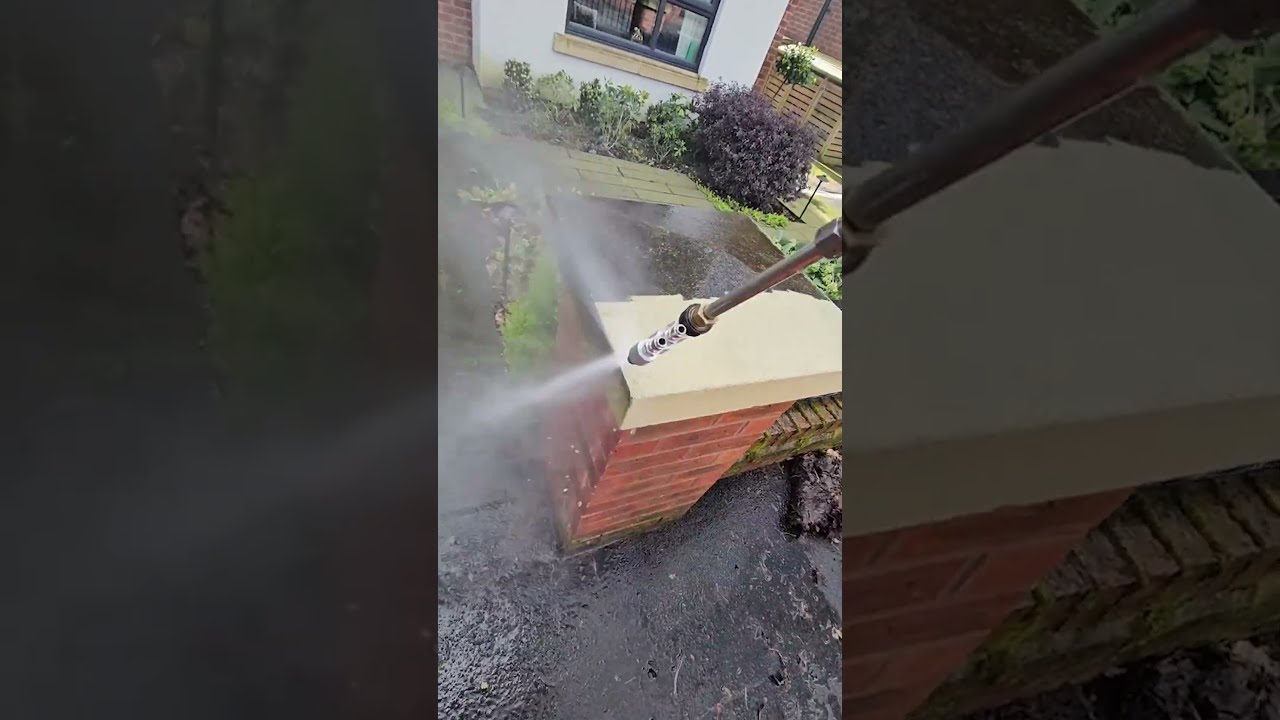
Avoid aggressive pressure washing: it can erode mortar, damage concrete finishes and drive water into masonry. Do not use hydrochloric acid as a general-purpose solution. Incorrect acid cleaning can damage surfaces, affect coloured finishes and create additional staining. Never mix cleaning chemicals, and protect nearby plants, metals and drainage systems from contaminated runoff.
Prevent Efflorescence from Returning
For Rockhampton properties, moisture control is especially important during the wet season. Inspect the area during or shortly after rainfall, when leaks and drainage problems are easier to identify.
- Clear blocked gutters and repair leaking downpipes, roof drainage and plumbing.
- Redirect sprinklers away from walls and reduce repeated wetting of paved areas.
- Keep weep holes unobstructed and avoid raising soil or garden beds above damp-proof courses.
- Address pooling water and ensure surface drainage directs runoff away from buildings.
- Have damaged mortar, flashing and retaining-wall drainage assessed by a suitable professional.
Should You Seal Brick or Concrete?
A sealer is not a substitute for fixing moisture entry. Applying an unsuitable coating to damp, salt-contaminated masonry can trap moisture or lead to peeling and further surface deterioration. Where sealing is appropriate, a compatible, vapour-permeable penetrating treatment may help reduce rainwater absorption. Confirm suitability with the https://louisojmn290.stonefielddigest.com/posts/essential-washing-protocols-for-regional-food-facilities product manufacturer and allow the surface to meet its drying requirements before application.
When to Arrange Professional Help in Rockhampton
Arrange an assessment if efflorescence repeatedly returns, covers a large area, affects heritage brickwork or occurs alongside dampness and surface damage. A qualified masonry cleaner can assess cleaning options, while a builder or waterproofing specialist can investigate underlying water entry. The best long-term result combines gentle cleaning with effective moisture control, protecting both the appearance and condition of your brick and concrete surfaces.
Capricorn House Washing
0482 073 600